Showing posts with label Europe. Show all posts

Monday, March 8, 2010

Day XCVIII - Minotaur


Tragic Cretan bull,
Labyrinth of King Minos,
Falls to Theseus.


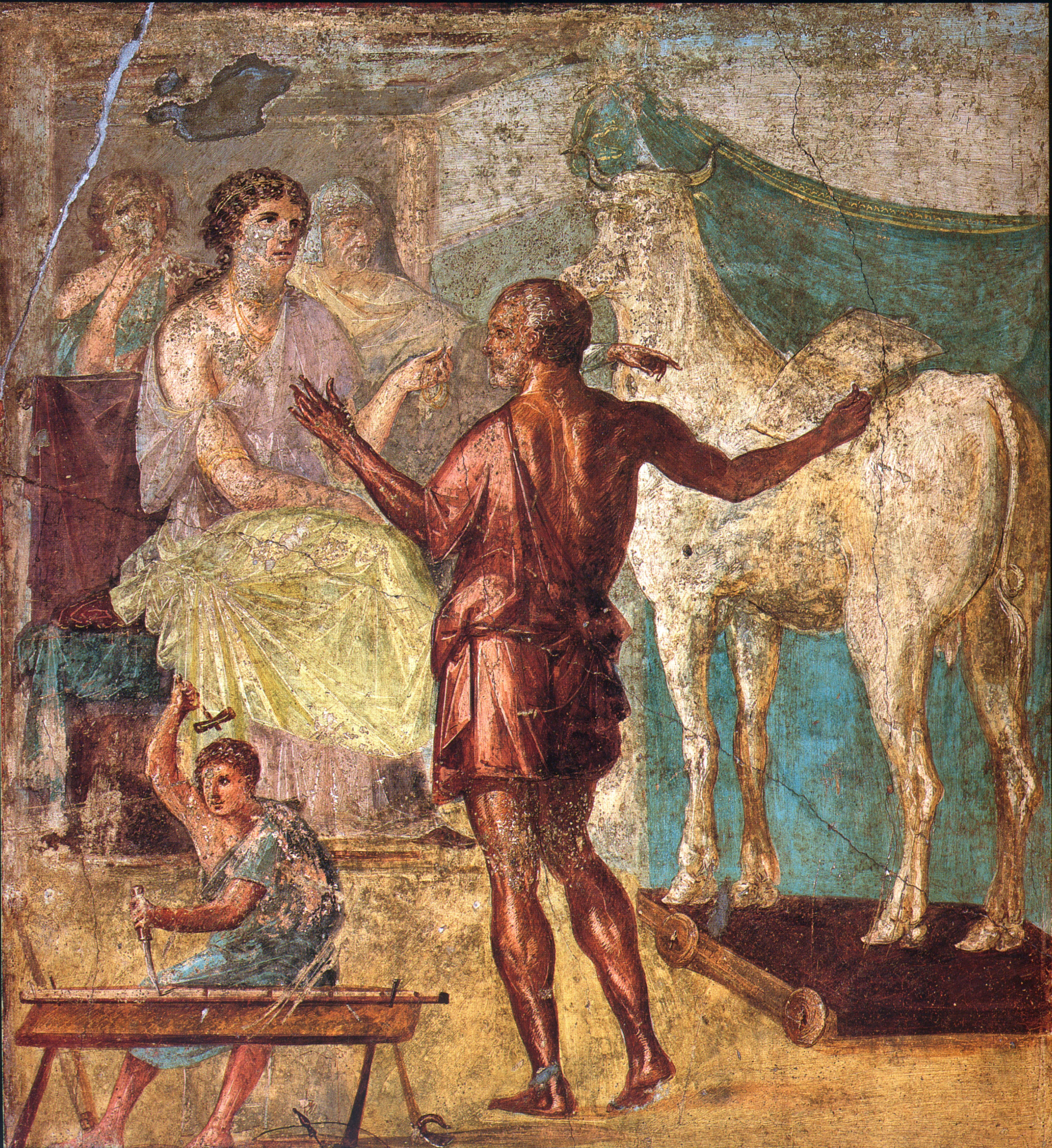
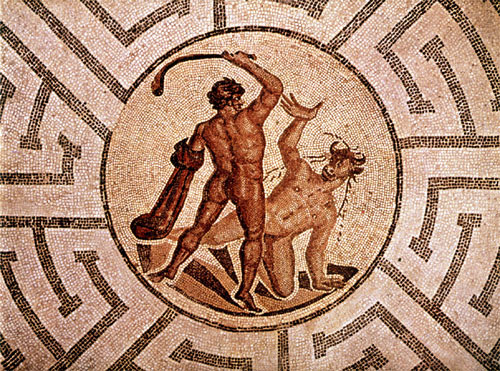
One of the most infamous supernatural entities in Greek mythology, the mighty Minotaur of Crete is a compelling creature of depth and pathos. Described as a brutal hulking human with the head of a bull, the horned hybrid was condemned to a solitary life in the labyrinth below King Minos' palace at Knossos according to ancient legend. The story goes that Poseidon decided to punish the Cretan king after Minos failed to sacrifice his beloved white bull in honour of the sea god and so struck his Pasiphaë with odd bestial desire. Falling in love with the bull and consequently making love to it (assisted by a bull disguise crafted by the legendary inventor Daedalus) she ended up pregnant and gave birth to a monstrous half-human, half-bull hybrid named Asterion. Wider society would come to know the creature as the Minotaur and his shamed royal stepfather imprisoned the ugly, violent being to the subterranean maze. Sacrificial victims paid as tribute by other city-states were sent down to the labyrinth for the vicious captive to devour until Theseus of Athens arrived intent on bringing its demise. With his cunning, encouragement from Minos' daughter Ariadne and a ball of thread to guide him back out of the maze, Theseus took his sword to the bull and cut its sad life short. An iconic creature in art across the ages, the poor Minotaur strikes me as one of the most tragic of all mythical beasts that deserves at least some love just for its distinctive appearance and tremendous lack of luck. Here's to the unfortunate Asterion: the mighty Minotaur of the labyrinth.

Sunday, March 7, 2010

Day XCVII - Wyvern


Aggressive icon,
Medieval winged evil,
Dreadful Dragonet.


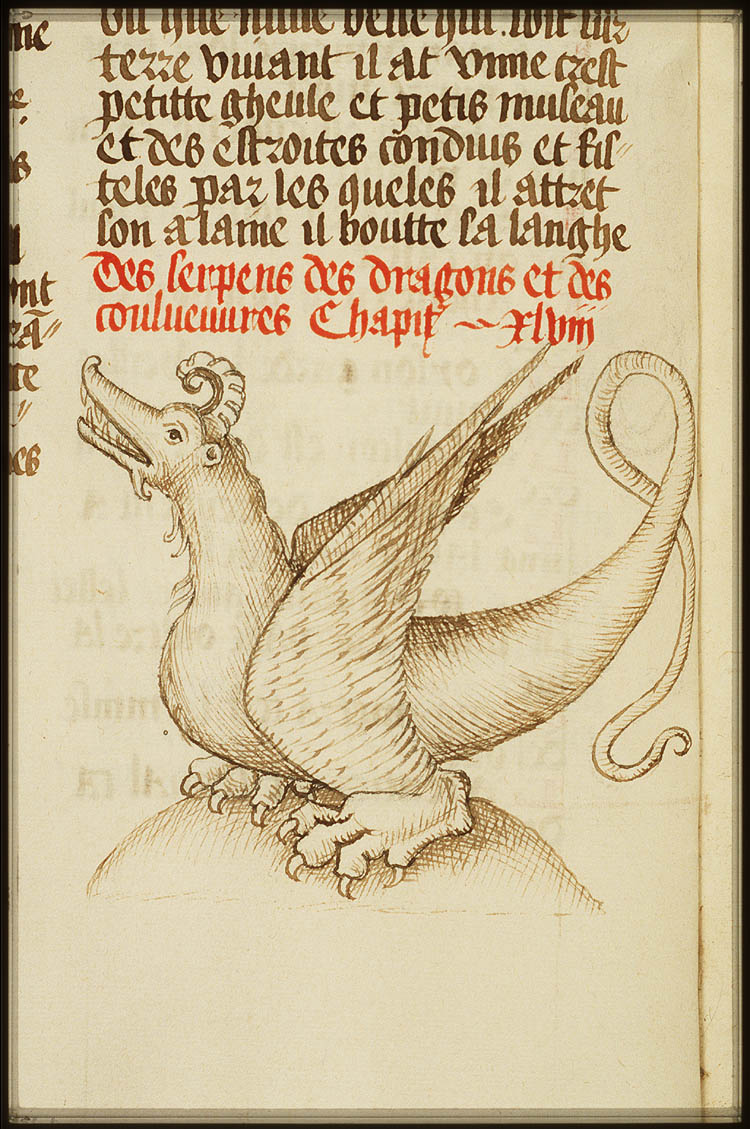
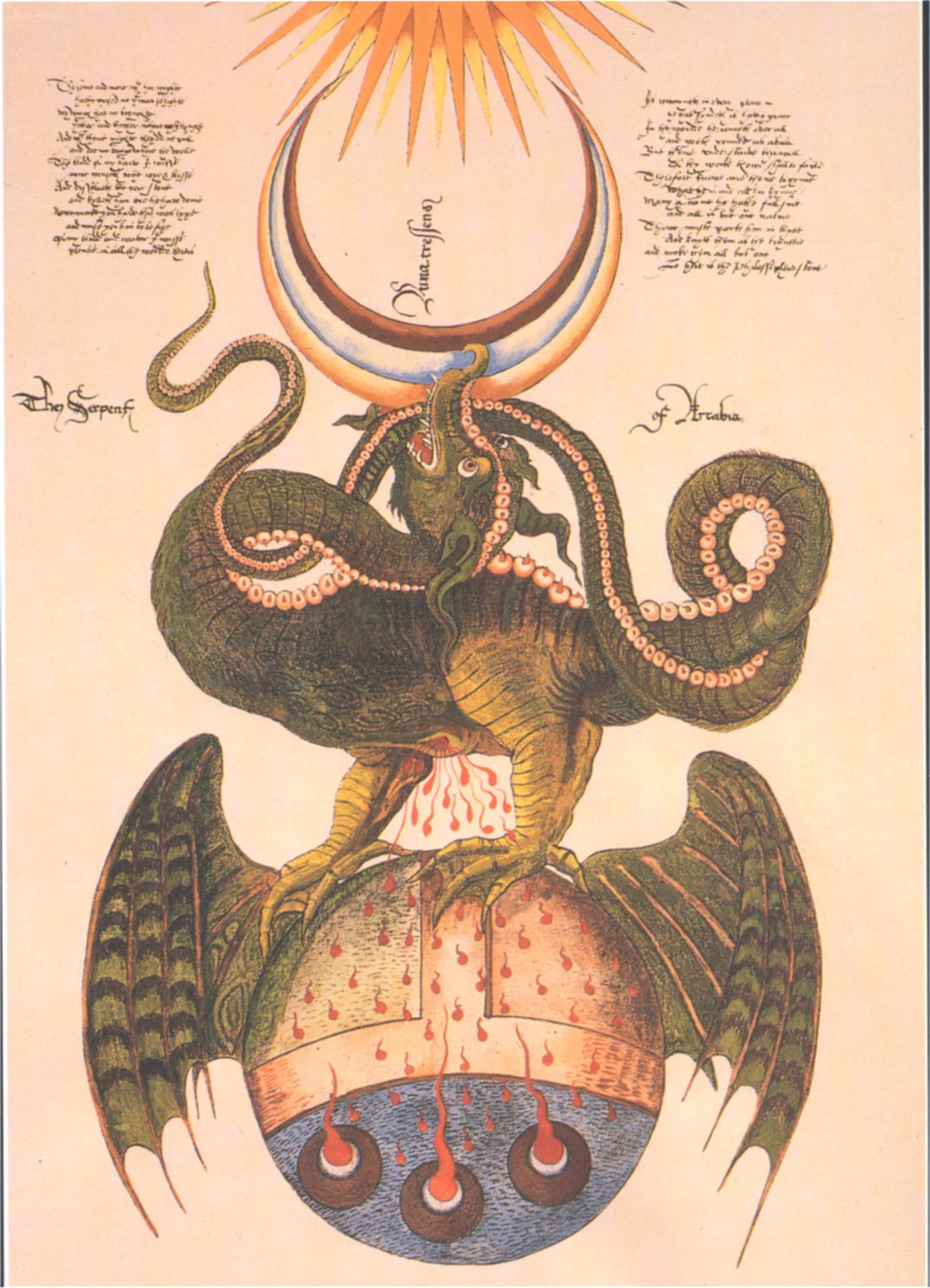
A distinct creature amongst the dragons of European legendary tradition, the Wyvern is a reptilian monster sometimes referred to as a 'Dragonet' due to the sense that they look like adolescent dragons. Identified by the beakish jaw, a pair of expansive wings and the fact that they only have a set of hind-legs (their wings act as forelimbs) Wyverns are cited as being very individual entities and are prominent in medieval bestiaries, heraldry and iconography. Said to be smaller but more actively aggressive than the average dragon, Wyverns can also be picked out thanks to their sharp, pointed tail (possibly poisonous) and their angular heads. Considered to inhabit cavern lairs just like conventional dragons, another distinctive feature of Wyvern nature is their lack of acute intelligence and thus it's believed that their treasure hoards are most likely to be filled with worthless junk rather than real valuables. Popular in the mythology of medieval Europe, the soaring serpentines were looked to as a symbol of strength, alchemical dabbling or as allegorical icons of Satan and the spread of pestilence. Altogether, Wyverns fly high as fantastic, enthralling mythical beings.

Tuesday, March 2, 2010

Day XCII - Vampire


Cadaverous fiend,
Ubiquitous bloodsucker,
Unholy icon.


Probably the most popular of all mythical monsters in the present day, everyone knows of (and either loves or fears) vampires. Most often configured as 'living dead' beings that feed off the blood of humans, Vampirism is usually the result of improper burial or an unholy death which consequently links the creature to religious superstition, disease and decay. Vampires may be able to shapeshift, are often imagined as being fanged and cadaverous figures who keep to the dark; in the whole mass of divergent mythologies, protective methods include religious paraphernalia, garlic, holy water and mirrors. Every region and culture has their own vampire-type entity operating as a bloodsucking horror though the archetype has been mainly drawn from European traditions - particularly Slavic - with the rest fleshed out by literature (especially Bram Stoker's Dracula) and classic horror flicks. Ultimately, the Vampire is many different things to many different people and, thus, is probably the finest folklore figure in that it serves as an embodiment of all death and fear according to the individual's own psychological profile. Whatever the tradition and whatever your idealised Vampire is (mine is Murnau's Nosferatu) make sure you don't invite one in and ensure that you appreciate the awesome monsters well out of biting distance.

Monday, March 1, 2010

Day XCI - Nix


Long, wet lustrous hair,
Spirit of northern waters,
Sound of sweet music.


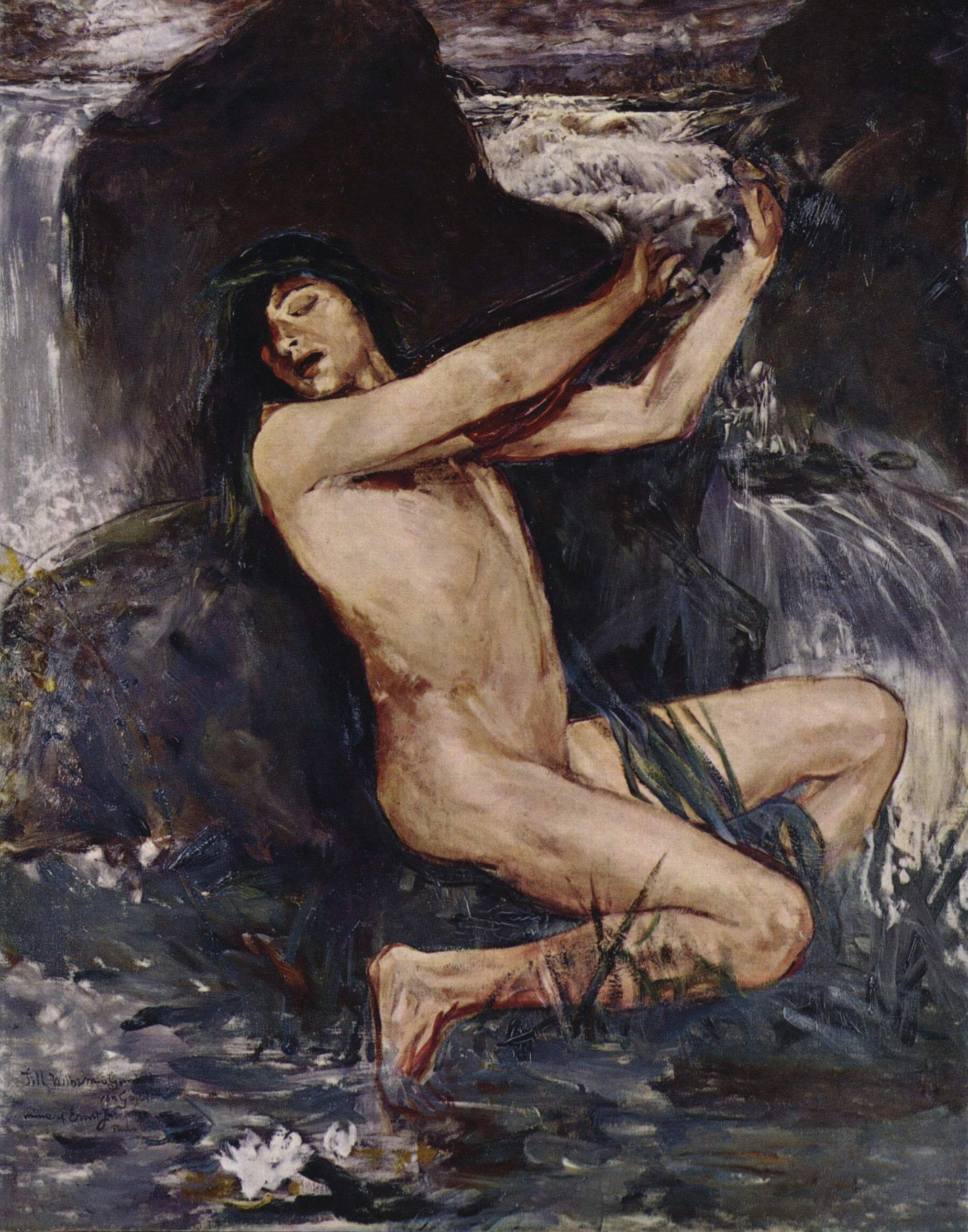
A wonderful water spirit, the Nix goes by many names and is present across a range of northern European folk traditions, generally understood to be a mermaid or merman-like entity. Believed to have shapeshifting ability, artworks most often depict the Nix in human form and identify it as an enchanting creature that lures people to the shore through the power of music. The violin is the water-sprite's instrument of choice and in some folk traditions it's terribly effective in mesmerising passers-by and leading them to a drowning death. Saying the creature's name aloud can protect against its malevolent influence, though that'd assume you knew whether it was called Nix, Nixie, neck, näck, nøkk, nøkken, Grim, Fosse-grim or Strömkarl. Whatever label it goes by, the supernatural figure of northern European legend has also been perceived as a beautiful, harmless entity at one with nature who may even pass on its artistic abilities to others if it feels generous. All give a round of applause to the Nix making sweet sounds and capturing imaginations across Scandinavian, British and German mythology.
Saturday, February 27, 2010

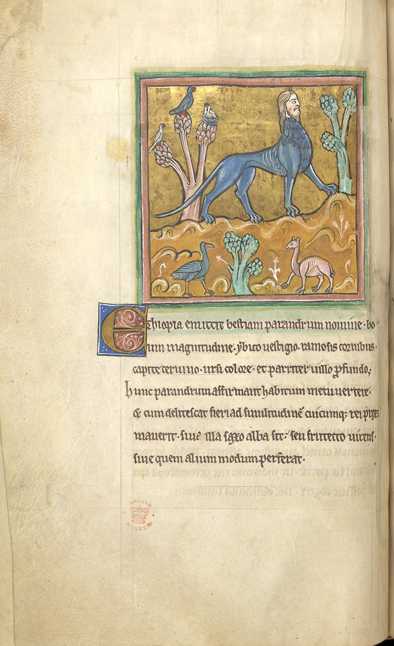
Day LXXXIX - Manticore


Tail of shooting spikes,
Lethal lion-hybrid strikes,
Brass tones of terror.


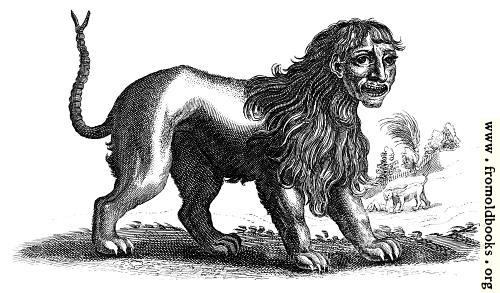
An incredible man-eating hybrid, the Manticore is a terrifying creature that has spread dread through a range of different mythical traditions. Like a masculine-version of the sphinx, the creature is commonly a composite of human head, a red lion body and a lethal tail of spiny poisonous spikes that it shoots to kill or paralyse its prey. The mythical beast - also understood to have a brilliant booming voice like a brass section - has its origins in ancient Persian legend and was believed to lurk in the far away lands of India. Tales of the Manticore spread to the leading intellectual arenas of Mediterranean antiquity and the creature consequently enjoyed a prominent resurgence in medieval European bestiaries. Despite its human traits and tuneful trumpet tones, the creature is a carnivorous horror desperate to rip flesh, sink its multiple rows of sharp teeth into meat and swallow victims whole. Flinging deadly arrows, the hybrid form of the Manticore is something to fear and, quite frankly, flee from without so much as a second thought.

Wednesday, February 24, 2010

Day LXXXVI - Domovoi


Hairy housekeeper,
Upset by untidiness,
Sulks beneath the stove.


A diligent domestic spirit from Slavic folklore, the Domovoi is revered as a superb household creature that is undoubtedly handy to have around. Eastern European legend has it that every house has one of the hairy little domesticated beings living under the stove or threshold protecting the family and maintaining a peaceful, orderly abode. In terms of appearance, Domoviye are commonly characterised as having grey beards, little horns and a tail and may even look like their owner who they'll dutifully serve and possibly even act as an oracle for. The furry housekeeper will do the chores and generally be a friendly family member as long as its owners show it affection, don't deliberately make a dirty mess and give it gifts (milk, biscuits or salted bread are popular presents). They'll also unleash their malicious streak on neighbouring households and harass the horses, cause disorder and break things if they're in a bad mood. It pays to appease and appreciate the hairy household spirit of Russian mythology so it doesn't start playing poltergeist tricks. Altogether, I'd say that the Domovoi is a sweet and charming supernatural entity, and no home should be without one.

Friday, February 19, 2010

Day LXXXI - Centaur


Savage hooves gallop,
Engaged in war with Lapiths,
Equestrian man.


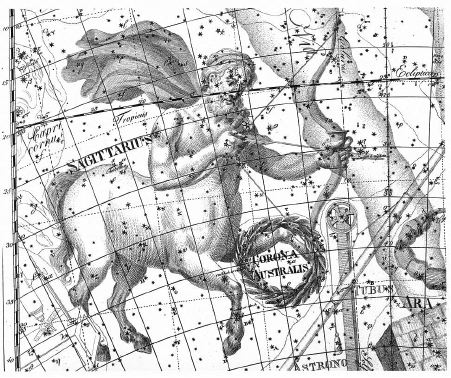
With the torso of a human being emerging out of the body of a horse, the Centaurs are supreme hybrid creatures of Greek mythology whose equestrian forms live long in cultural memory. Lusty, violent and easily influenced by wine, the creatures are generally characterised as a brutal and unruly race of beings with the exception of the wise Cheiron (master medicine expert and tutor to many a Greek hero who gave up immortality so he could become the Sagittarius constellation) and Pholus (friend of Heracles who accidentally kills himself with one of the legend's poison arrows). Out of the many myths in which the Centaurs make an appearance, the most significant episode is their clash with the Lapiths which comes when the horse-human hybrids violently gatecrash King Pirithous' wedding and attempt to abduct the female guests. With the help of Theseus, the Lapith people inflict huge losses on the Centaurs and scatter them across the lands in a battle which symbolises the triumph of civilisation over barbarism. Despite the defeat and condemnation as 'uncivilised', the presence of Centaurs in art across the ages - beyond their Greek origins - attests to the fact that these are awesome mythical entities that deserve our respect and appreciation. The half-man-half-horse is magnificent.

Monday, February 15, 2010

Day LXXVII - Kobold


German household sprite,
Small domestic folk figure,
Dressed in peasant garb.


A legendary little race of beings with many local variations and divergent traditions, Kobolds are German fun folklore beings whose mythical roots date back to the Middle Ages. Usually configured as monstrous dog-troll terrors in Dungeons & Dragons realms, the traditional Kobold of legend is said to be a humanoid figures no taller than a few feet high. What they look like depends on where they dwell: there are hunched-up mine Kobolds, sailor-suit-wearing and pipe-smoking ship Kobolds and - most prominent - household Kobolds. The domesticated little spirits are understood to do chores or make mischief depending on how they're treated and characteristically wear peasant clothing. Popular fairyfolk that they are, stories of Kobolds include the Heinzelmännchen of Köln (they used to do all the work in the town) and the Hödekin of Hildeheim (felt-hat wearing friend of the local bishop). In a way it's a shame their reputation has been uglified by role-playing in recent years, and the Mainzelmännchen who appear in the ZDF TV channel idents are much closer in spirit to the old-fashioned folklore figuration of the imagination-capturing Kobold. The tiny people of German legend deserve our tribute and praise.
Friday, February 5, 2010

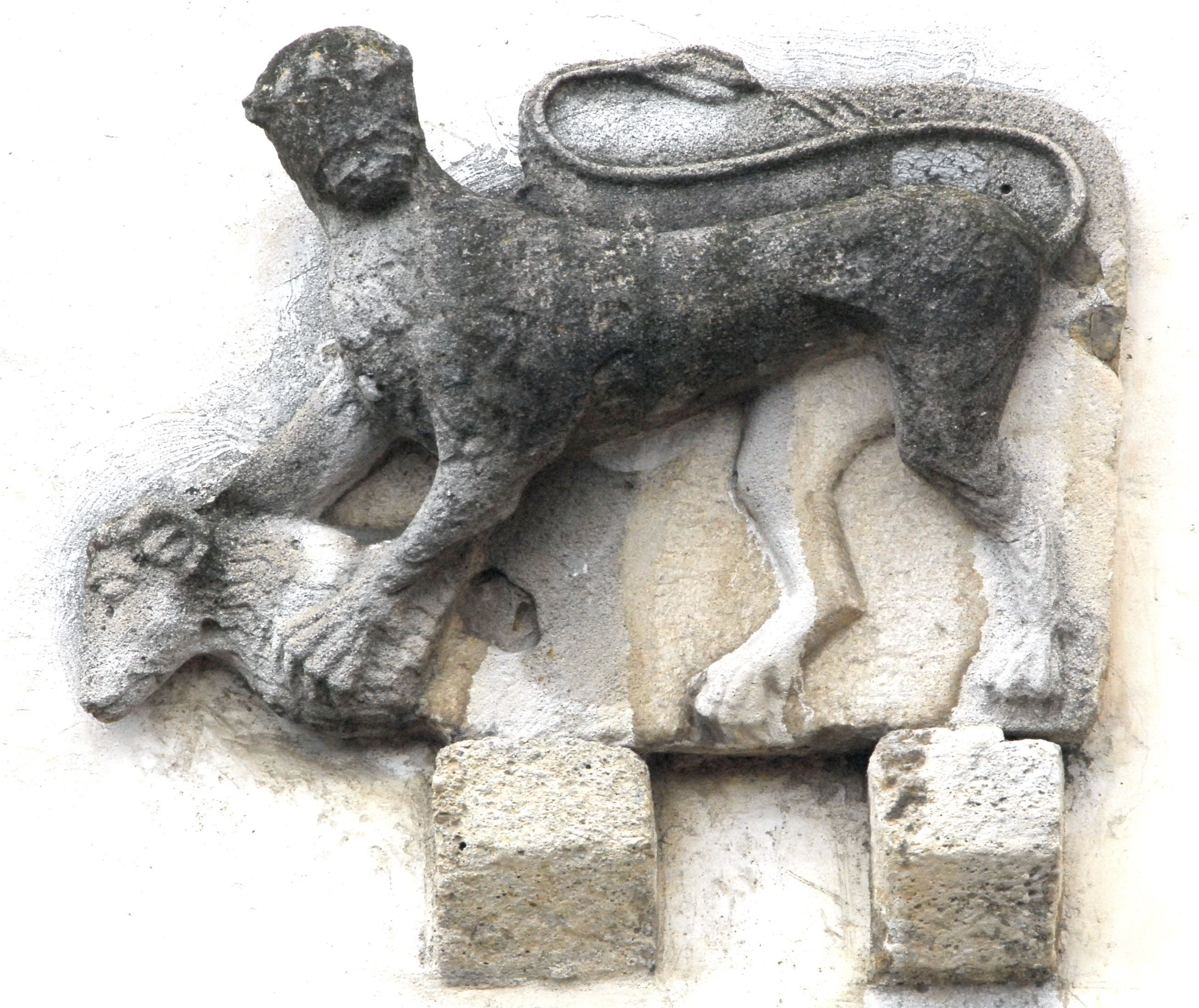
Day LXVII - Carcolh

Man-eating mollusc,
Slimy tentacles and shell,
Monstrous escargot.


A French folklore entity that sounds bloody disgusting, Carcolh or Lou Carcolh is claimed to be a mammoth serpent-like mollusc. Legend has it that the creature has a long body, carries a huge shell on its back and has a great many hairy tentacles around its mouth which it uses to grab prey. A subterranean beast, the Carcolh sends its creepy tentacles out of its slimy underground lair to drag victims from the surface down to be swallowed whole. It's basically a giant man-eating snail and its renown is such in the local mythology of Aquitane that the village of Hastingues is nicknamed 'lou Carcolh' in the giganto-gastropod's honour (it sits atop a round hill that looks like a large snail shell). It's like the French culinary tradition of escargot reversed, given grotesque tentacles and made colossal. Beware the creepy Carcolh and watch for wriggling appendages rising from the earth next time you're in South France.

Tuesday, February 2, 2010

Day LXIV - Golem


Animated clay,
Brought to life by a rabbi,
Defender of Jews.


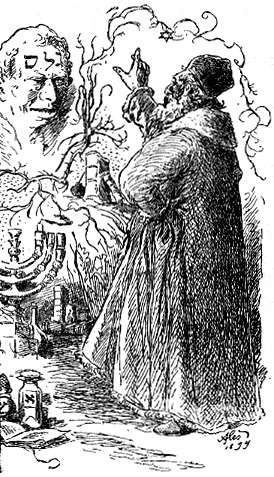
The Frankenstein's Monster of Jewish folklore, a Golem is a slab of inanimate matter - either rock, mud or clay - brought to life through the mystical manipulation of a wise rabbi. Great hulking beings of huge strength, Golems are crafted to protect the Jewish communities of Europe from anti-Semitic attacks or perform tasks for their master creator. Once they've moulded the humanoid form, the rabbi usually animates the Golem by performing a magic ritual, drawing on God's sacred name or inscribing the word "אתם" ("emet", 'truth') on the creature's forehead. By erasing the "א" the Hebrew word for 'dead' is spelled out and the creation is promptly deactivated and rendered as lifeless matter once more. Despite being heroic defenders of persecuted Jews, Golems are at a disadvantage in that they generally lack intelligence, are unable to speak and have a tendency to turn recklessly violent. The legendary folklore figure has inspired many stories across the ages and the most well-known tale revolves around the Rabbi Judah Loew ben Bezazel and his raising of a Golem in 16th-century Prague. This narrative served as the basis for the brilliant 1920 movie Der Golem which ranks as absolute stone-cold classic of German Expressionist cinema. An icon of Judaism and imagination-captivating homunculus hero, quite frankly, I think the Golem rocks.

Wednesday, January 27, 2010

Day LVIII - Jötunn


Giants of the earth,
Destructive forces of the Norse,
Clashing with the gods.


A colossal part of Norse mythology, Jötunn (Old Norse: Jötnar) are the great race of giants who cast pretty big shadows over Scandinavian legend. Displaying different characteristics depending on the individual Jötunn (Thrivaldi had nine heads), the beings are said to have immense strength, tremendous size and are often understood to have hideous features. Prophesied to be leading protagonists in the Ragnarök battle (lots of gods will die and the world will begin anew) their destructive tendencies frequently lead to conflict with the gods of Asgard and the humans of Midgard whom they attack from their home land of Jötunheimr. If they're not fighting the gods then they are consorting with them and producing offspring so unbelievably epic that only Norse mythology can contain them. Such is their high standing in Scandinavia's spiritual legend that the Jotunheimen mountain range of Norway is named after the giants' home of the Nine Worlds and they loom large as spectacular folk beings that capture the imagination. Here's to the powerful titans wreaking havoc through Viking mythical history.

Thursday, January 21, 2010

Day LII - Fachen


Odd Highland horror,
Vicious Celtic feathered fiend,
Only single parts.


A fearsome oddity of Celtic folklore, the Fachen (a.k.a. Peg Leg Jack) is all about the power of one having - for the most part - only single body parts. The scary cyclopean with a dark feathered mane is reckoned to dwell in the Scottish Highlands, hopping about on its single-toed leg waiting to mutilate and devour those who pass its way. It may handle a club or chain in the arm-like appendage that emerges from its furry torso and has enough strength and violent motivation to destroy an entire orchard in one night. The Fachen is so horrifying those who see it are likely to have a heart attack before they've even had chance to flee from its great gaping mouth. Surreal and truly one of a kind, salute the singular supernatural terror of Celtic mythology.

Friday, January 15, 2010

Day XLVI - Leprechaun


Mischievous littl'uns,
Icon of Emerald Isle,
Dapper fairy folk.


Much-loved little fellows who stand as a supreme symbol of Irishness, Leprechauns are commonly characterised as being around three feet tall and wear dandy green or red clothes. The fairy folk are native to Ireland and have found themselves the victims of the tourism industry and twee stereotyping, but the magic little buggers have their origins way back in the Middle Ages (as shall be revealed by the new National Leprechaun Museum set to open this year) and there are variations on the nature of Leprechauns depending on region and storyteller. Leprechauns are said to enjoy making shoes (dapper, smart gentlemen they are, sartorial concerns are crucial), playing practical jokes and making mischief. All in all, whether they are solitary Emerald Isle spirits or über-Irish icons associated with rainbow ends and pots of gold, Leprechauns are awesome. All praise the perky little people of the Emerald Isle!

Saturday, January 9, 2010

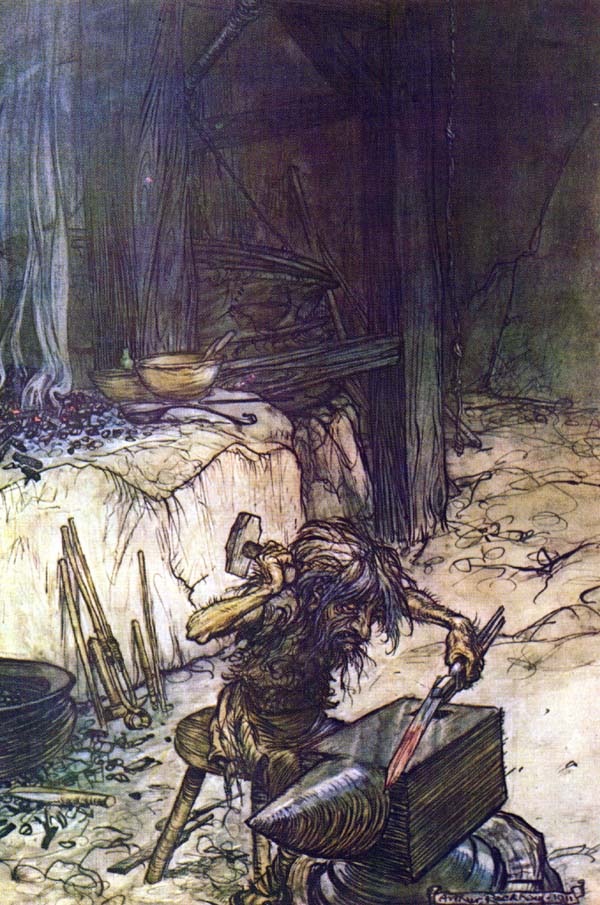
Day XL - Dwarf

Short master craftsman,
Working away in the dark,
Bearded folk below.


Much-loved as a diminutive figure found across fantasy fiction and disparate strains of folklore, the brilliant bearded form of the Dwarf first comes to us in the Dvergar of Norse mythology. From there, the nature spirits have gone on to command the spotlight across a multitude of European legendary traditions, role-playing games, literature and all other Dungeons Dragons-themed distractions. Characterised by their short height and hairiness, they are associated with death, darkness and the earth (which is understandable seeing as they spend all their time underground) and are respected as expert craftsmen, skilled in magic and metallurgy. Whether they be Viking spirits, "Heigh-Ho" Disney characters or the Tolkienesque types hiding away in the mountains of Middle Earth, it's impossible not to love the miniature heroes. Dwarves (or Dwarfs) deserve a tremendous amount of respect just for being hairy hard-working little men whose all-round excellence has excited the collective imagination of so many cultures. Give a little love to the Dvergar and remember: "never toss a Dwarf..."

Wednesday, January 6, 2010

Day XXXVII - Tarasque

Spiny-shelled monster,
Spreads fear through Southern France,
Tamed by Saint Martha.


A French legendary creature that calls to mind über-baddie Bowser from Super Mario video games, the Tarasque is a truly awesome hybrid monster. With six legs, a spiny turtle shell, a tail topped with a scorpion stinger and a lion's head, the fearsome beast is alleged to have terrified the Nerluc area of France until it was tamed by the prayer and charming power of Saint Martha sometime around 50 AD. The locals easily overcame their nemesis as it stopped resisting their attacks but, now being good Christian converts, regretted their actions afterwards. Thus, they renamed their town Tarascon and continue to hold an annual festival in honour of the slain beast. The legend has led to a multitude of brilliant carnival models and some aesthetically-pleasing sculptures and artworks. An inspirational entity from the South of France, it's only right that the spectacular spiky-shelled monster be saluted.

Monday, January 4, 2010

Day XXXV - Tilberi


Magical milk thief,
Suckler nourished by mother,
Hangs from thigh nipple.


A weird and wonderful entity from the Icelandic school of witchcraft, the Tilberi is a worm-like creature used by women who wish to steal milk from their neighbours' animals. With two-heads it's believed to be able to lie across the back of a sheep and suck both its teets simultaneously, but what's most fascinating about the magic milk thief is the ritual required to summon one up. Only women can create a Tilberi and to do so they have to take a human rib from a graveyard on Whitsunday, wrap it up in grey wool and keep it in their cleavage. Having spat communion wine on the woolly bundle on the following three Sundays, the thing comes to life ready to do the bidding of its owner as long as she nourishes it through a nipple carved into her thigh. The Snakkur ('Suckler') then pinches the wool or milk and rolls back home where it's believed to talk to its "mamma", who can proceed to make butter from the stolen liquid the servant regurgitates into the churner. If keeping the creature hanging from your thigh becomes too much bother, the woman only has to send the creature to collect sheepdroppings from the mountains. Ever-keen to impress the host mother whose nipple sustains it, the twin-mouthed little terror keeps on swallowing sheep excrement until it explodes. The obscure magical being bothering the flocks of Iceland, formed through bizarre feminine magic methodology, is, quite frankly, brilliant.

Thursday, December 31, 2009

Day XXXI - Werewolf

Light of the full moon,
Furry metamorphosis,
Lycanthrope rampage.


With its claws covering a whole variety of disparate cultural traditions the world over, the werewolf is the überpopular shapeshifter that powers its way to the top of the supernatural beastie pile, ravaging the rest with its sharp teeth and superhuman strength. All over assorted artforms and popular culture (my own personal favourite werewolf flick probably being Universal's classic The Wolf Man) the lycanthrope myth alters according to time period, place and tradition but is always about the transformation from human to furry, primal, bloodthirsty wolf. With the Greek myth of Lycaon (cruel king serves Zeus a slaughtered child for dinner and gets turned into a wolf as punishment) and the prevalence of werewolves across the continent's communities, the creature of the popular imagination is pretty much European. Regardless of how someone comes to be a werewolf (getting scratched, Satanic ritual, sleeping under a full moon or wearing a wolfskin), whether the metamorphosis is voluntary or what the cure is (wolfsbane, silver bullets or holy water) werewolves are awesome and function as fantastic empathetic figures that embody all the pain of male adolescence and the primal urge to, you know, be bloody savage. Howl at the Moon!

Monday, December 28, 2009

Day XXVIII - Vodyanoi

Scaly grandfather,
Algae hangs from his beard,
Spirit of water.


A mucky water-spirit of Slavic mythology, the Vodyanoi is a merman-like creature with webbed fingers, black scaly skin and a fish tail. Found floating on half-sunken logs and described as a naked old man with a bedraggled green beard, the Vodyanoi is respected in Eastern Europe as a supernatural 'grandfather' who should be appeased lest he get angry and start smashing up water mills or start drowning things. In Czech and Slovak tradition - where the figure is known as Vodník - fishermen drop tobacco as tribute in hope of getting a good catch and not being grabbed and enslaved as underwater servants. The grubby geriatric gill-man of Eastern European legend strikes me as being pretty groovy in all his web-fingered, watery glory.

Friday, December 25, 2009

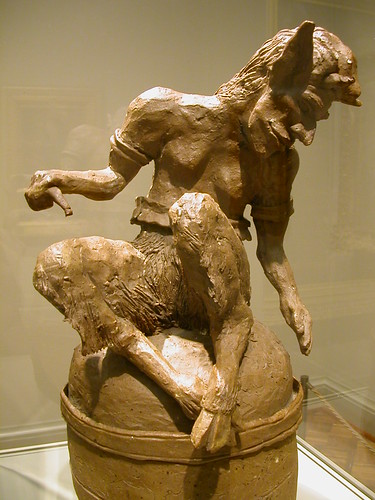
Day XXV - Faun


Horny hedonist,
Panpipes and wine aplenty,
Hailing to Bacchus.


Romping through the woods in a wild frenzy, Fauns are the fun half-goat-half-human creatures of Roman mythology associated with drinking, dancing, music and all other assorted forms of free merriment. With the horns and hind-quarters of a goat, the Fauns are the panpipe-blowing followers of Bacchus (the androgynous good-time god of wine, theatre and mad carefree abandon) and are pretty appropriate figures for December 25th: also the Roman winter solstice feast day of Brumalia dedicated to the free-loving deity. Inspiring art through the ages and making appearances all over the place - from Narnia books to Guillermo del Toro movies - Fauns are associated with outdoor orgies, sexual liberation and, in general, all-out ecstasy and excess. The pre-eminent party animals are righteous mythical creatures for a Merry Winter Celebration Day, so to the randy goat revellers of the forest: cheers!

Thursday, December 24, 2009

Day XXIV - Krampus

Furry Yule figure,
Punishes naughty children,
Cruelty at Christmas.


Making his appearance in December, Krampus is the frightening figure of Central European folklore believed to be a member of St. Nicholas' seasonal entourage. Unlike good old St. Nick, the horned beast likes to roam the streets with his rusty chains and bells rattling, eager to unnerve people during the festive period, punishing naughty children instead of giving out presents. The Anti-Santa is believed to beat wicked whippersnappers with a birch rod and in extreme cases is understood to dump sinner kids in a basket to be despatched to Hell. Basically, he's the biggest bah humbug of the mythological world: so mean and nasty that not even the Nazis could supplant his dread-grip on Austria in the 1930s. Alpine communities continue to hold winter festivals and hunts in honour of Krampus: way more appealing as a Yuletide icon than that red-suited, obese dude with a white beard.